Rome.
The capital of Italy. Fourth most populous City in the European Union. Known for its exquisite Architecture, preserved ruins echoing human genius decending ages and ages ago. Agricultural inituative, the brutality of human vanity and for the ‘green’ ones umong us, the value and dependance on Mother Nature for not only survival but also aesthetics, enjoyment and healing.
Visiting Rome was one of the most fenominal experiences of my life. Apart from the countless tourists gathering at the “must-sees” and seemingly only taking selfies before they hastily move on to the next best “social media post” – the underlying energy of the city is screaming for some amount of pause, appreciation and respect. The Romans were genuinely genius in all their ways.

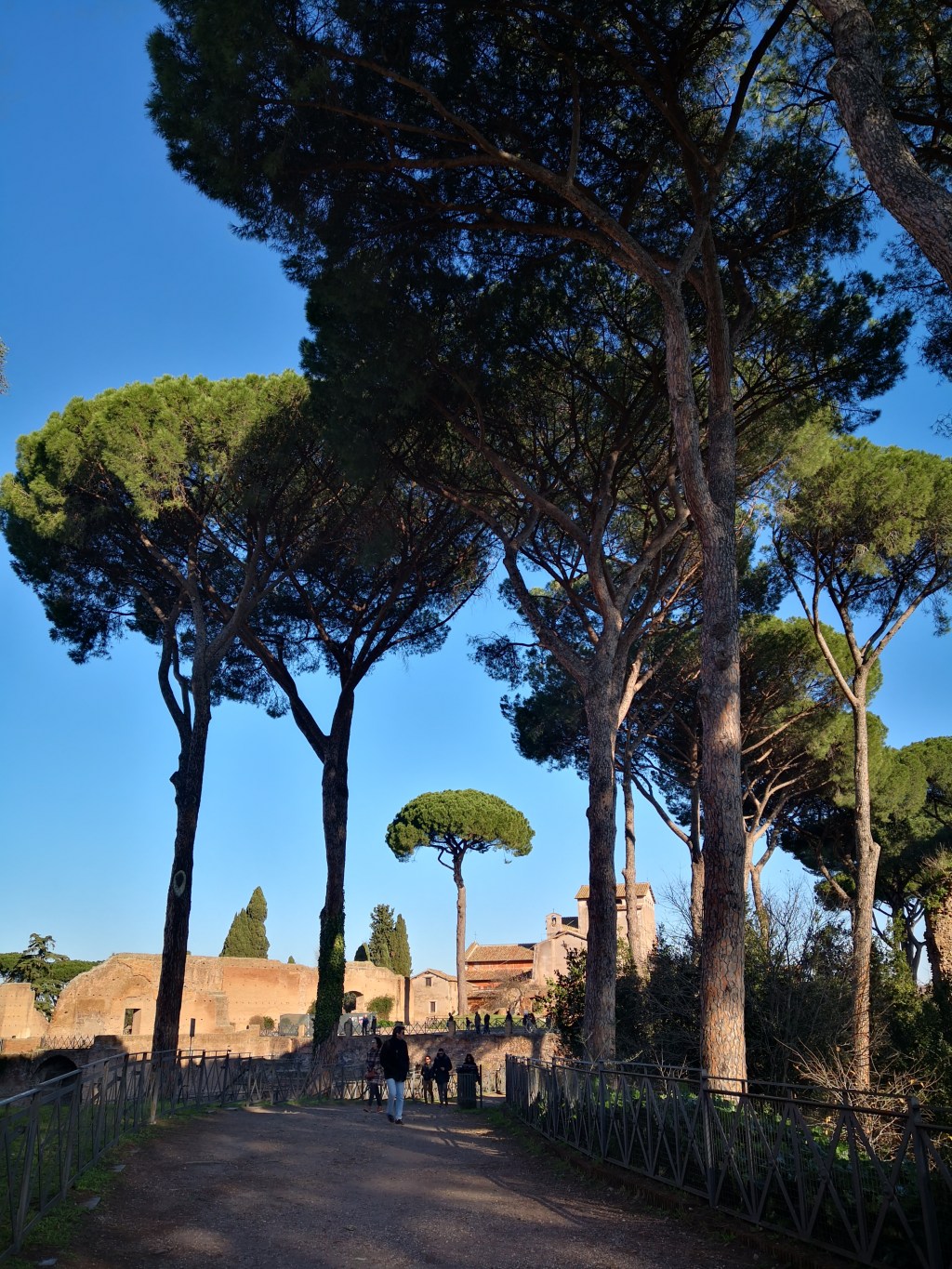
Apart from the cobblestone walkways which clearly have been the road to the most amazing stories, told and untold, the museums, ruins, bridges and the here-and-there statues or orphined little historic buildings everywhere, what caught my attention the most was the giant, tall pine trees which almost seem like they are keeping a watchful eye over the happenings below. They have slender trunks reaching all the way up into the sky, a slight curve here or there, a skinny branch reaching up somewhere like a bony old finger following the the trunk and then finally ending in an almost distinctive umbrella shape, deep green pine top.
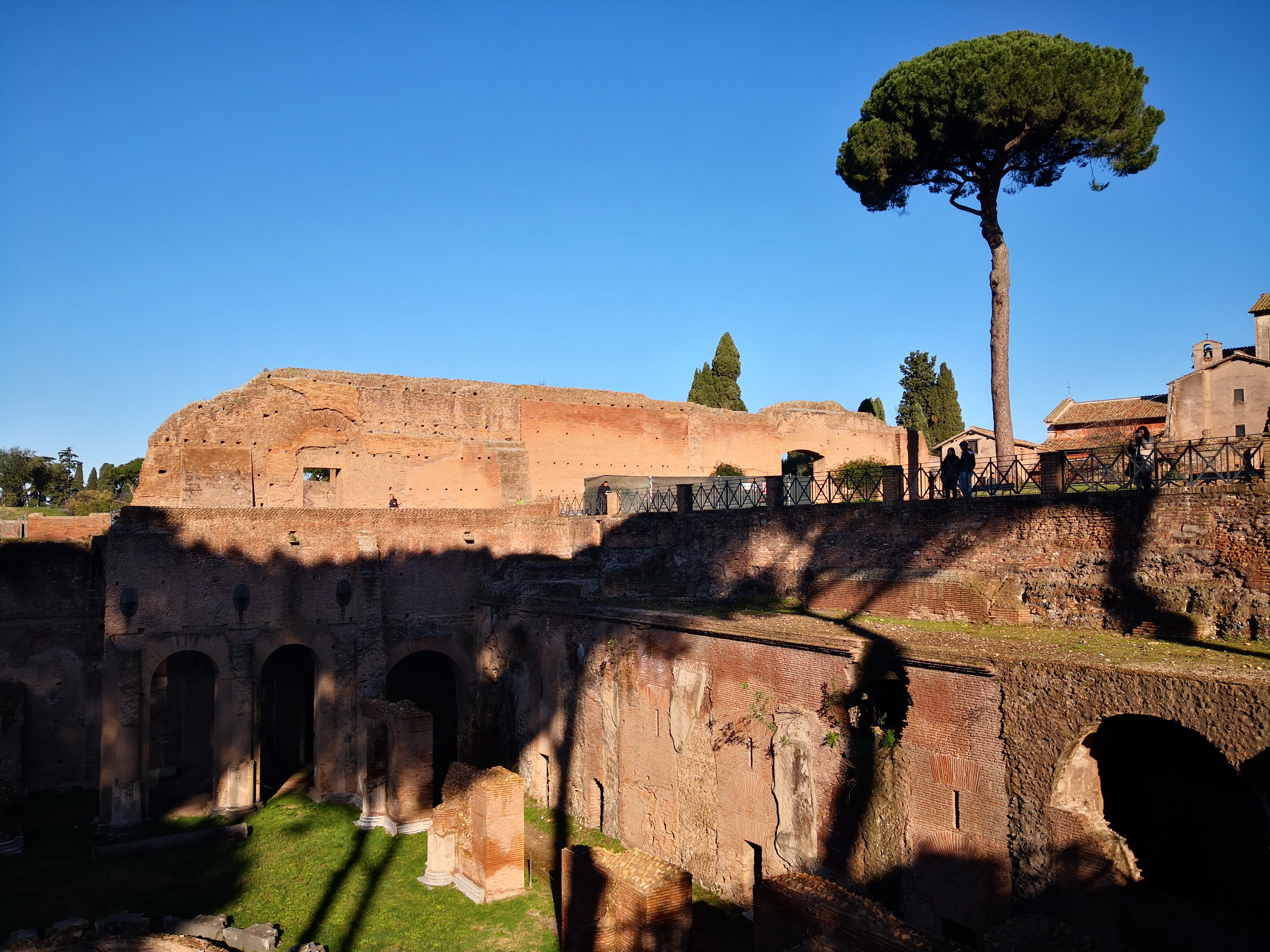
These slender giants, the Roman Sky Scrapers, are called stone pines, or, easily remembered as umbrella pines justifying their distinct shape. Biologists refer to them as “pinus pinea” and they can grow as tall as 12.2 to 24.4m into the sky! They typically become quite old, 50 to 150 years, which gives a ‘mama-tree’ more than enough time to send a few fruitful seeds down to the Roman soil in an attempt to sprout the new generation which will take over when the oldies end their reign.
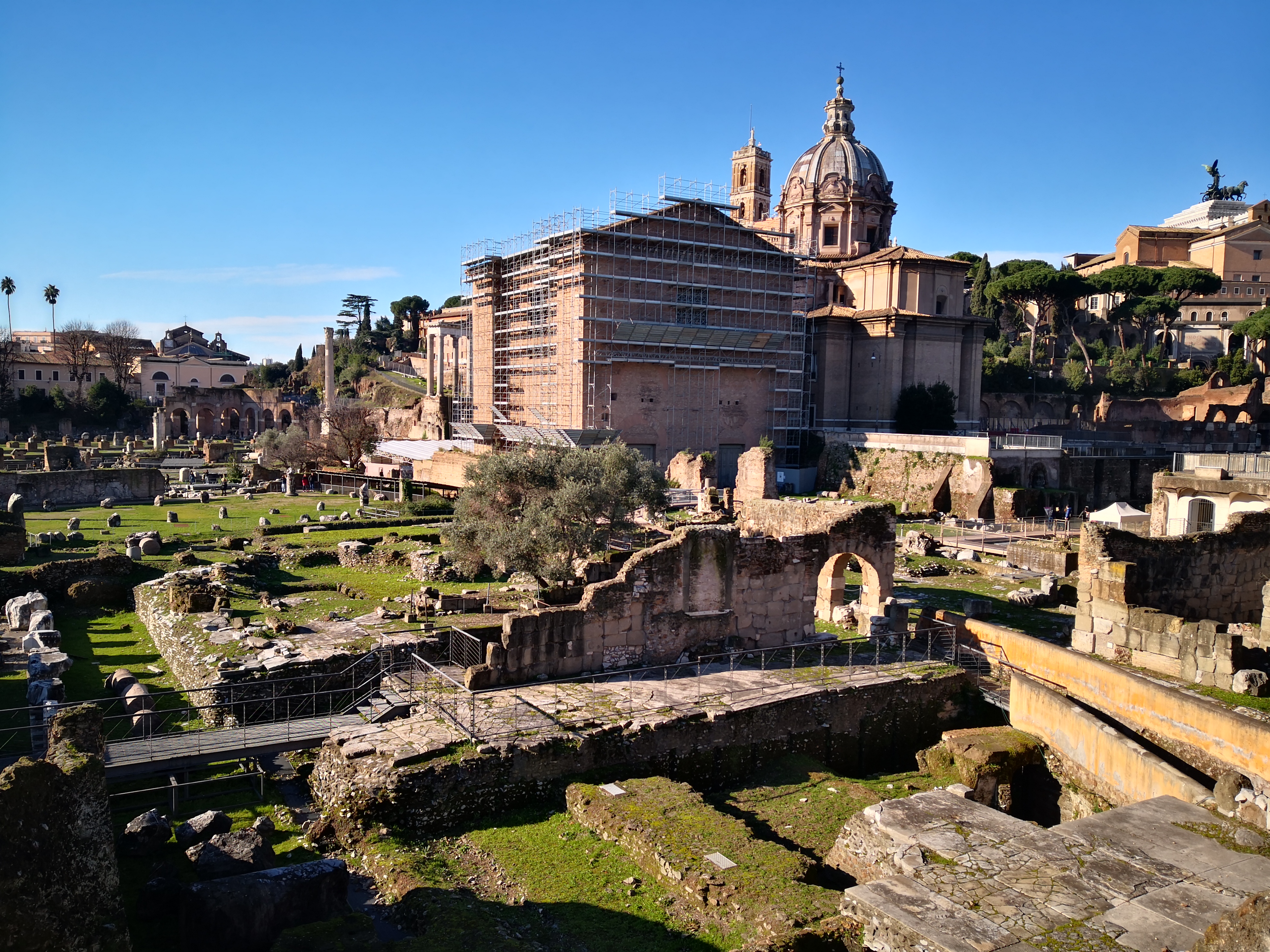
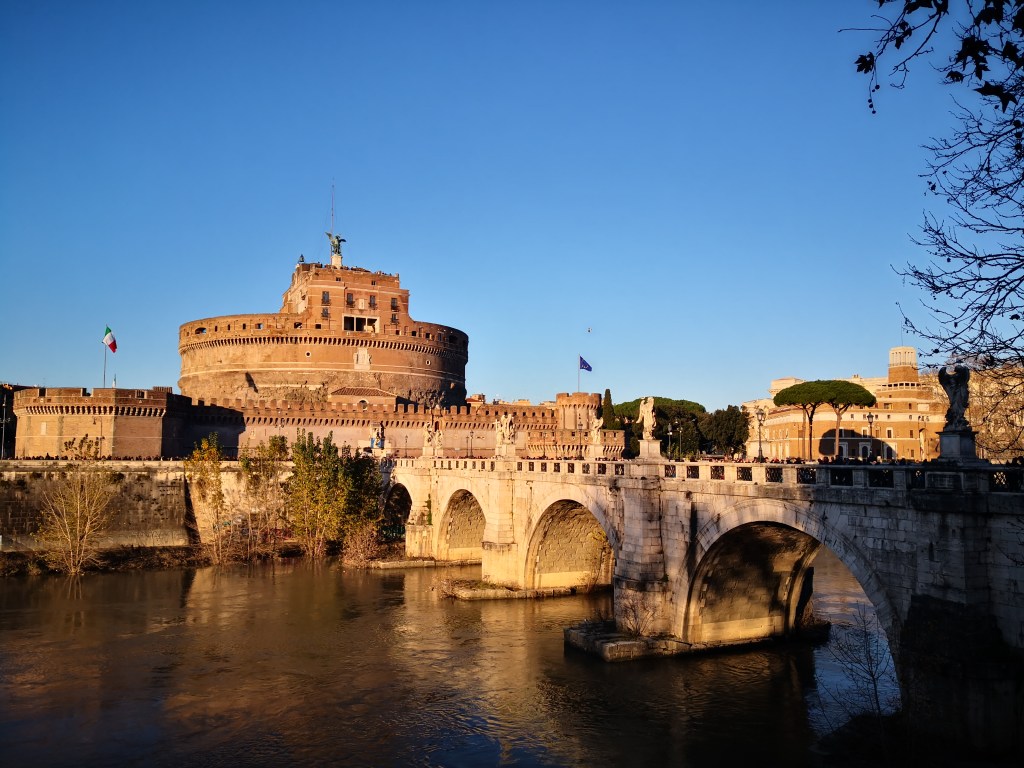

Sadly a terrible bug, the North American pine tortoise scale has made its way to Rome in 2015 and is claiming the lives of these precious giants, killing them in two to three years after infestation and subsequently causing these beauties to potentially topple down or be cut down by municipality services in an attempt to prevent damage to structures below these giants. Residents are up in arms about the infestation and the way it has been managed, claiming that these pines are a natural and cultural part of Rome which should be managed with more intent and prompt action.
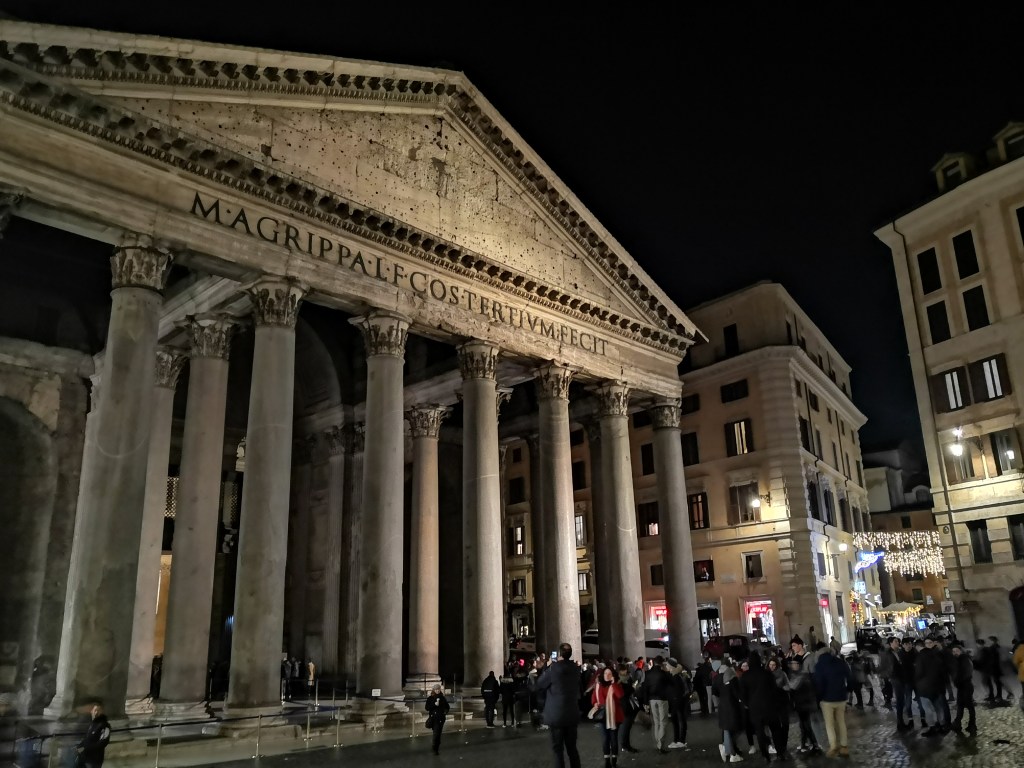
Walking through Rome it is clear that ample amounts of money, manpower and initiative is continually invested in the maintenance of structures which attract a (paying) crowd, the Colloseum, Pantheon, Trevi Fountain, the Roman Forum, the Vatican Museums to name but a few, these, I agree are keepers of Rome’s history. My question is though, will the same amount of resources be invested in saving the precious Roman umbrella pines which not only represent the past but also the future of Rome.
 #kontrasculture